

A late completion date is relatively easy to identify. Establishing the financial consequences of that delay is usually harder.
Rawcorp v MDP No 15 [2026] QSC 38
In Rawcorp Pty Ltd v MDP No 15 Pty Ltd [2026] QSC 38, practical completion of a Coolangatta apartment development occurred on 23 October 2024, 90 days after the adjusted contractual date. The principal referred to $900,000 in certified liquidated damages and asserted approximately $2.26 million in consequential losses, including financing charges and property holding costs.
The Court refused the contractor's application to restrain recourse to retention security. It did not decide that the claimed consequential losses had been proved or that they were ultimately recoverable. The bespoke security clause permitted recourse for claims the principal had or claimed to have, subject to seven days' notice. The Court also held that the relevant notice requirement under section 67J of the Queensland legislation did not apply to the unliquidated damages claim.
What happened during those 90 days?
A programme analysis should identify the events that affected completion, when they operated and how they interacted. It should not assume that every day between the contractual and actual completion dates was caused by the same event or party.
"The completion overrun is the period you can see on the calendar. Causation requires a closer look at what was controlling completion during that period," says Andrew McKenna of Accura Consulting.
Contemporaneous updates, commissioning records, trade progress, defects close-out and access constraints can all be relevant. A delay expert may also need to consider whether alleged mitigation or acceleration changed the completion sequence.
Financing costs require a counterfactual
The financial assessment has a different focus. If a principal claims additional loan interest, what would the borrowing position have been had completion occurred on time? Would refinancing, settlement or repayment actually have taken place? Were the relevant facilities drawn down, and for how long? Similar questions arise with rates, utilities and overheads.
A delay expert can establish the programme chronology and potential causative periods. A quantum expert can test the cost records and the assumptions underlying the financial model. The legal team must address the contract's allocation of risk and any limits on recoverability.
“An invoice dated during the overrun is not, by itself, evidence that the delay caused that expense. The comparison has to be with the position the project would have reached without the relevant delay.”
Rawcorp concerned who could hold security pending resolution of the substantive dispute. Its larger practical interest for delay and quantum specialists lies in the considerable work still required to prove or challenge the underlying financial claim.
At Accura Consulting, our team of experts work with clients to create a tailored solution to problems. If you have an issue and want expert support, get in touch.
Back to News and Insights
Related News and
Insights from Accura
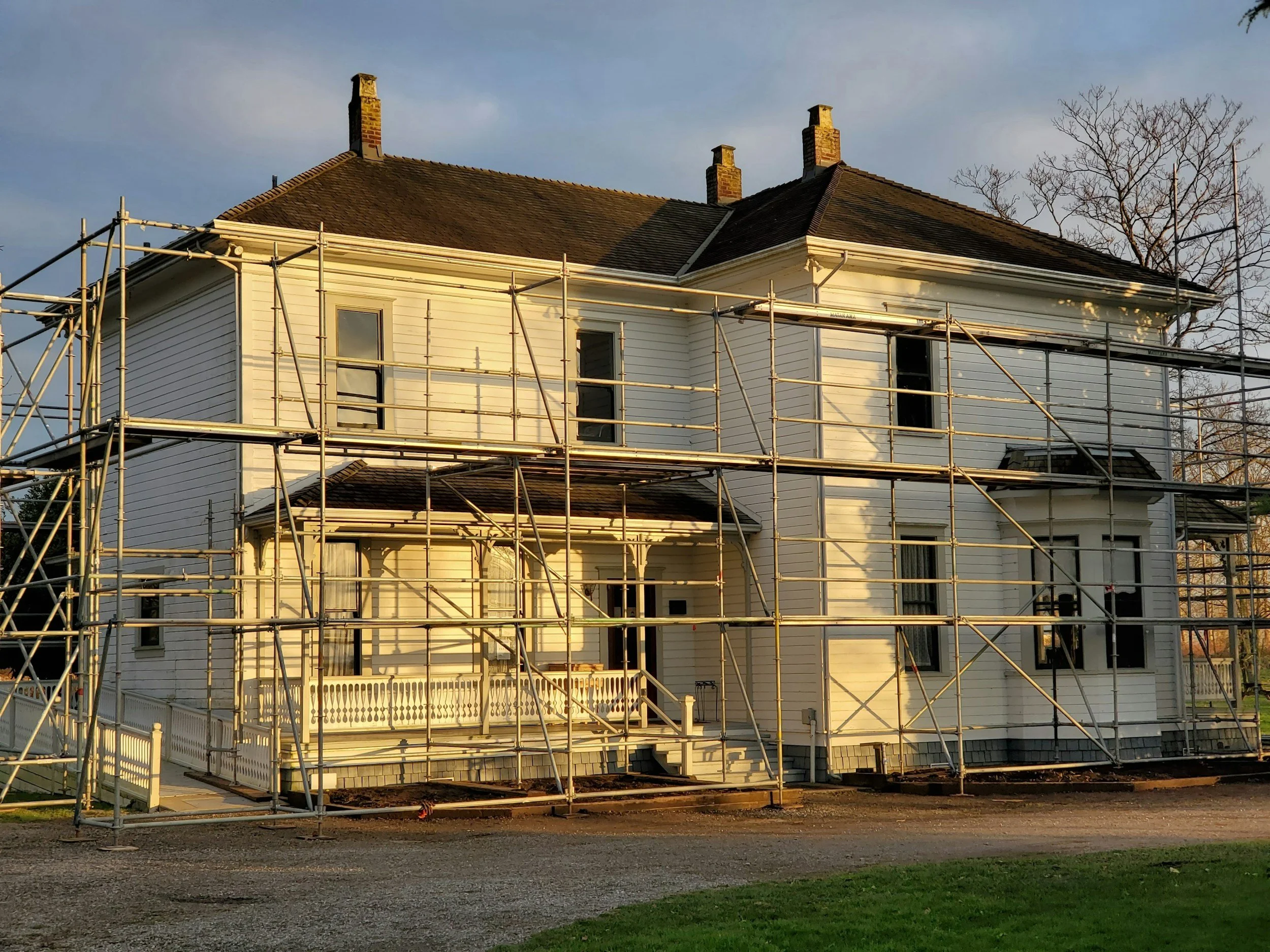



Rawcorp v MDP examines construction delay damages, financing costs, programme causation and consequential loss, with insights for lawyers instructing delay and quantum expert witnesses.