
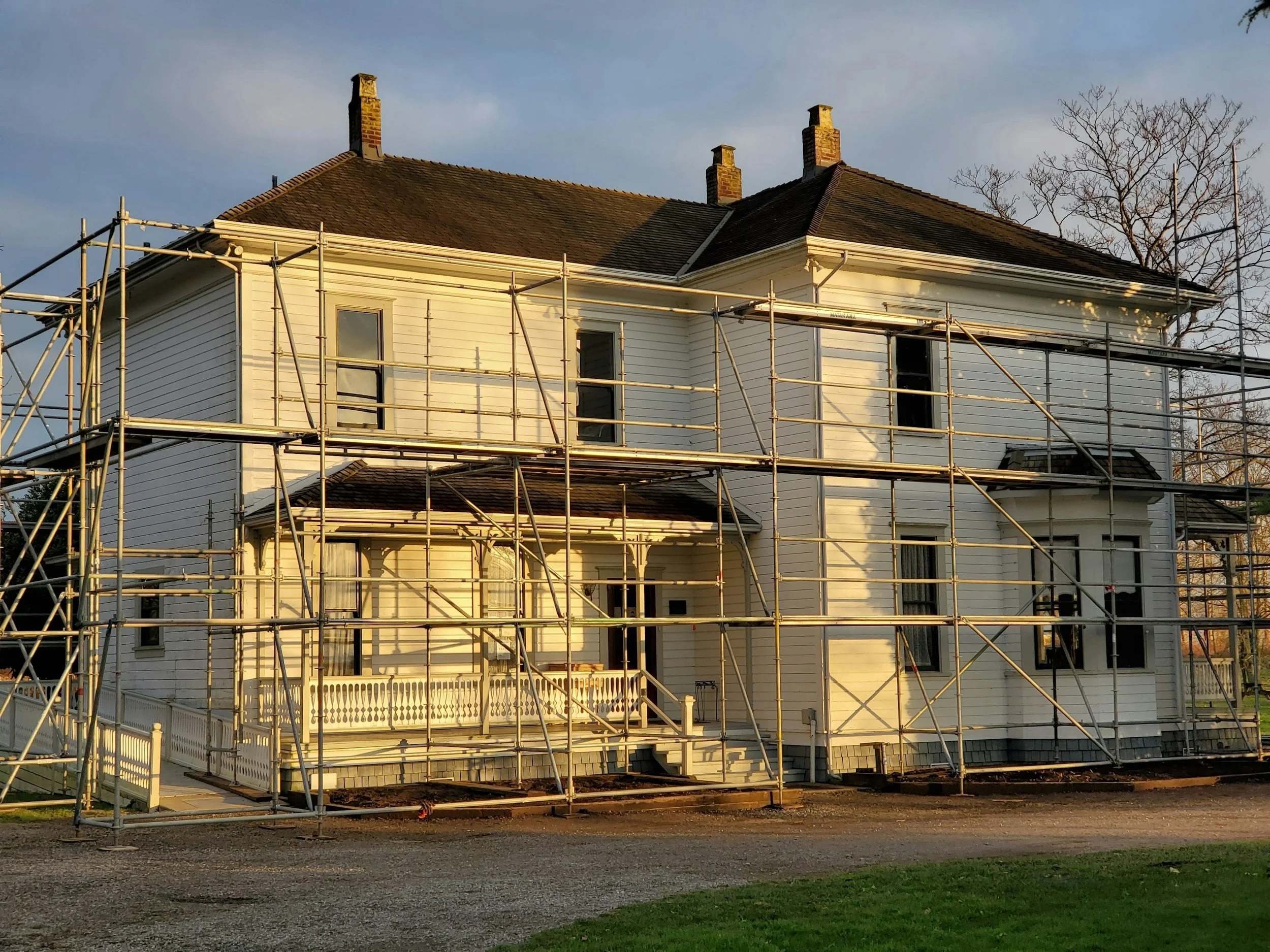
Owner-requested variations can affect the time required to finish a building project. Whether they change the contractual completion date is a separate question.
Bond Mayhew v Spicer [2026] NSWDC 190
That distinction was central to Bond Mayhew Pty Ltd v Spicer [2026] NSWDC 190.
The parties used an HIA cost-plus contract for a renovation converting a property into three short-term accommodation units. The contract specified a 52-week construction period. Variations were requested and the project experienced delays. Clause 17.2 required the builder to give written notice of the cause and extent of delay within 10 working days of becoming aware of it. The notices relied upon were late and did not contain the necessary particulars.
The absence of liquidated damages did not remove the notice obligation
The contract did not specify a liquidated damages amount. The builder argued, in substance, that the EOT machinery should not operate with the same force in those circumstances. The Court rejected this. The contractual notice requirements still applied.
The technical analysis may establish whether a variation affected activities controlling completion. The lawyers must determine whether the relevant contractual steps were satisfied and what follows if they were not.
"A variation can genuinely extend the work required on site. That does not necessarily mean an impact to the contractual completion date," says Andrew McKenna of Accura Consulting.
Reconstructing the programme
Where a delay claim is prepared after the event, the analyst may need to reconstruct the programme from site diaries, trade records, photographs, variation instructions, delivery records and correspondence. The date on which the contractor knew the cause and likely extent of delay may be just as important as the eventual period of overrun.
A variation that adds work is not necessarily critical. The assessment must consider the remaining work, available float, resequencing and other activities affecting completion at the time. Unsupported assertions that additional scope inevitably required additional days invite challenge.
“Good records show when the instruction arrived, what work it affected and how the sequence changed. Without that trail, the expert is left trying to reconstruct decisions months later.”
The Court also dealt with the owner's claim for lost accommodation income. The modest award of $2,227.40 reflected the evidence of actual net profits, rather than the more ambitious projections advanced. Delay duration and financial loss each need their own proof. For lawyers preparing a delay case, the contractual notices, programme records and financial model should be tested independently before being assembled into a single claim.
At Accura Consulting, our team of experts work with clients to create a tailored solution to problems. If you have an issue and want expert support, get in touch.
Back to News and Insights
Related News and
Insights from Accura



Bond Mayhew v Spicer examines extension of time notices, owner variations and construction delay evidence, with practical insights for lawyers instructing a delay expert witness.