
Planning for Construction Delay in 2026
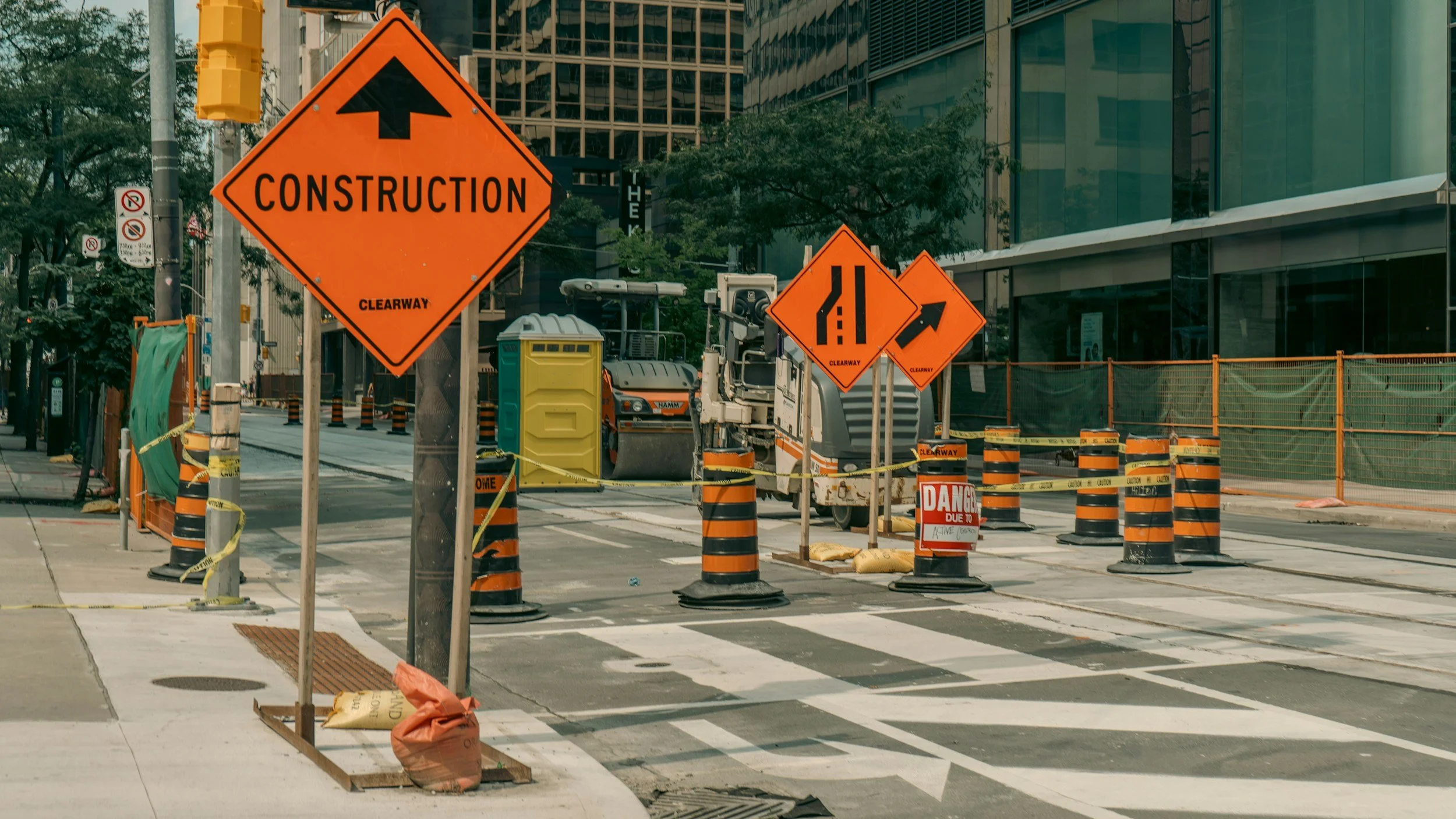
There are periods where delay risk sits in the background. As we sit here in mid-2026 with more macro uncertainty than ever thanks to the Iran War and inflation concerns that never really went away post-COVID, this is not the time to let delay risk go unchecked.
Supply chains remain fragile and labour is still tight with no sign of easing. Global instability continues to affect procurement, particularly for specialist materials. These are not unforeseen events anymore. They are conditions that exist at tender.
That shifts the starting point for planning.
A programme built on ideal sequencing and optimistic procurement durations is unlikely to hold. The issue is not whether delay will occur, but how it will manifest and how it will be evidenced later.
The first adjustment
The first adjustment is recognising procurement as a critical activity. Too often, long lead items sit outside the true critical path. Steel, façade systems, mechanical equipment. If delivery risk sits there, the programme needs to reflect it. Courts have consistently preferred analyses grounded in what actually drove completion, not what the programme suggested might drive it (see Kane Constructions Pty Ltd v Sopov [2005] VSC 237 for a great reference point).
The second
The second is how float is used. Broad contingency applied across the programme rarely helps. It masks risk rather than managing it. Float needs to sit where the risk sits. If façade procurement is exposed to offshore disruption, that is where time contingency belongs. If specialist labour is scarce, sequencing needs to reflect that constraint.
The third
The third is record keeping. In an environment where delay risk is known, the burden shifts. It is no longer enough to say something was late. The question becomes whether that delay was foreseeable, and what steps were taken to mitigate it. That requires evidence of procurement decisions, labour planning and communication at the time.
This is consistent with how courts approach delay. They look for cause and effect grounded in fact. Not general conditions nor assumption, instead they look for specific events and records. Santos Ltd v Fluor Australia Pty Ltd [2025] QSC 184 reinforces this. The Court accepted a structured analysis because it was tied to contemporaneous project data and explained how the project actually progressed.
There is also a commercial layer. When delay risk is known at contract stage, entitlement arguments become tighter. If a contractor prices and programmes a job with knowledge of constrained supply, the question becomes whether subsequent delay falls within that assumed risk. That is where the programme and supporting records carry real weight.
Projects that treat current conditions as background noise will struggle to explain delay later. Those that plan for them, document decisions and align their programme with reality will be in a stronger position.
Delay in this environment is not an exception. It is part of the plan.
At Accura Consulting, our team of experts work with clients to create a tailored solution to problems. If you have an issue and want expert support, get in touch.
Back to News and Insights
Related News and
Insights from Accura



Examining concurrent delay in construction contracts with guidance on delay expert witness evidence, forensic delay analysis and managing concurrent delay disputes in Australia.