
Disruption is easy to allege but can be hard to quantify: CMA Assets Pty Ltd v John Holland Pty Ltd
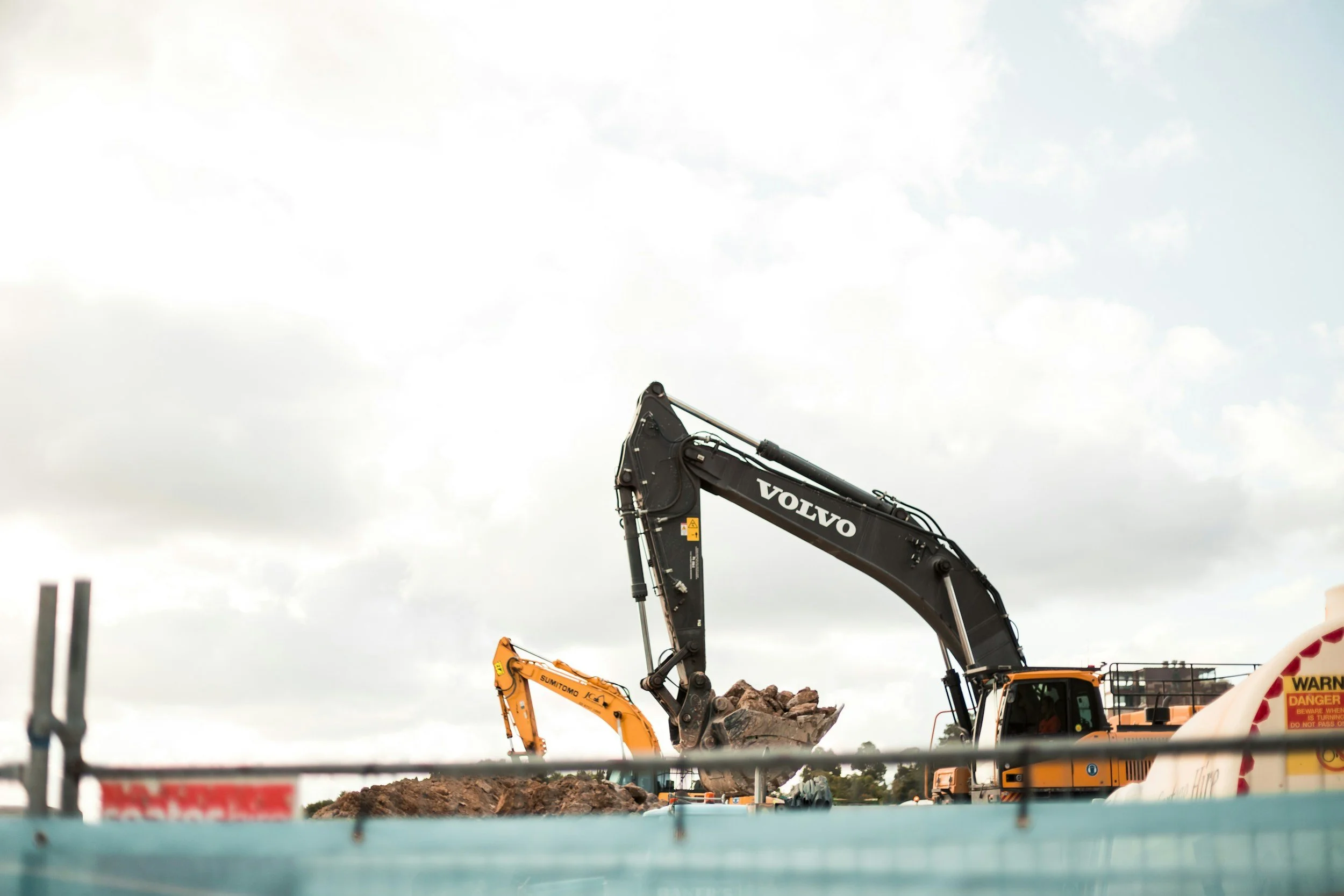
Disruption claims are compelling because they reflect the real challenges in construction: halted work areas, idle machinery, disrupted crew routines, and declining productivity.
But CMA Assets v John Holland serves as a reminder that disruption is not compensated simply because a project feels inefficient. Compensation is granted only when the disruption can be proven, measured, and most importantly, when the cost and causation can be shown.
The dispute arose from demolition and dredging works at an operating port. CMA sued for unpaid subcontract sums. John Holland counterclaimed for the costs it incurred in recovering demolition debris and for disruption to its own works.¹
John Holland alleged that CMA failed to remove concrete debris and rebar from the dredging area and seabed, leaving significantly more material than should have remained.² A large proportion of that debris lay in areas where piles were to be driven for the new wharf.³
John Holland said it was therefore forced to mobilise and prolong the operation of specialised vessels, including the Westsea 10 and the Hippopotes.⁴
The pleaded consequence was classic disruption. John Holland alleged that its construction activities, including pile driving, were “severely disrupted”, with barges required to stand by, relocate, or work at a lower level of productivity.⁵
CMA denied the disruption allegations. It also pleaded that in respect of the recovery of cost relating to any delay or disruption, John Holland was confined to liquidated damages under the subcontract.⁶ That is a familiar battleground: whether disruption is truly a separate compensable head of loss or merely delay in another form.
The more important issue, however, was proof.
Three witnesses gave evidence for John Holland about disruption.⁷ But the Court’s assessment was telling. The evidence was repeatedly described as “very general”. One witness said barges had to stay away from work areas due to anchor line risks and diver safety.⁸
Another gave only “relatively general evidence” of disruption to piling, but could not recall when, how long, or how many times the interruptions occurred.⁹ A further witness asserted that problems occurred daily but could not estimate the time lost. A diary had been kept, but it had been lost.¹⁰
The Court’s conclusion was fatal. Even accepting there was interference, it could make “no quantitative assessment of the alleged disruption.” That is the core lesson. Disruption is not a feeling; it is a measurement problem. Disruption claims do not fail because courts deny that productivity impacts exist. They fail because the claimant cannot prove the extent of the loss. The judgment distinguishes between disruption as narrative and disruption as quantifiable compensable damage.
The same problem arose elsewhere in the claim. The Court was not satisfied that John Holland had proved the extent of its loss in relation to supervision costs, noting the lack of reliable records and the speculative nature of employee estimates.¹1
Key takeaway
The case of CMA Assets v John Holland highlights a critical reality: merely stating that a job was inefficient does not establish disruption. To substantiate a disruption claim, one must provide clear evidence by identifying the disruptive event, demonstrating how the work was impacted, showing reduced productivity, and quantifying the cost impact. General recollections, broad assertions, and lost diaries are insufficient. While disruption is easy to allege, it is challenging to prove and even more difficult to quantify.
Footnotes
CMA Assets Pty Ltd v John Holland Pty Ltd [No 6] [2015] WASC 217 at [16]–[17].
Ibid at [846].
Ibid at [846].
Ibid at [846].
Ibid at [847].
Ibid at [848].
Ibid at [849]–[851].
Ibid at [849].
Ibid at [850].
Ibid at [851].
Ibid at [845].
At Accura Consulting, our team of experts work with clients to create a tailored solution to problems. If you have an issue and want expert support, get in touch.
Back to News and Insights
Related News and
Insights from Accura



When you receive a rectification estimate, from your own expert or the other side's, there are three key questions quantum expert witness, Paul McArd advises you ask.