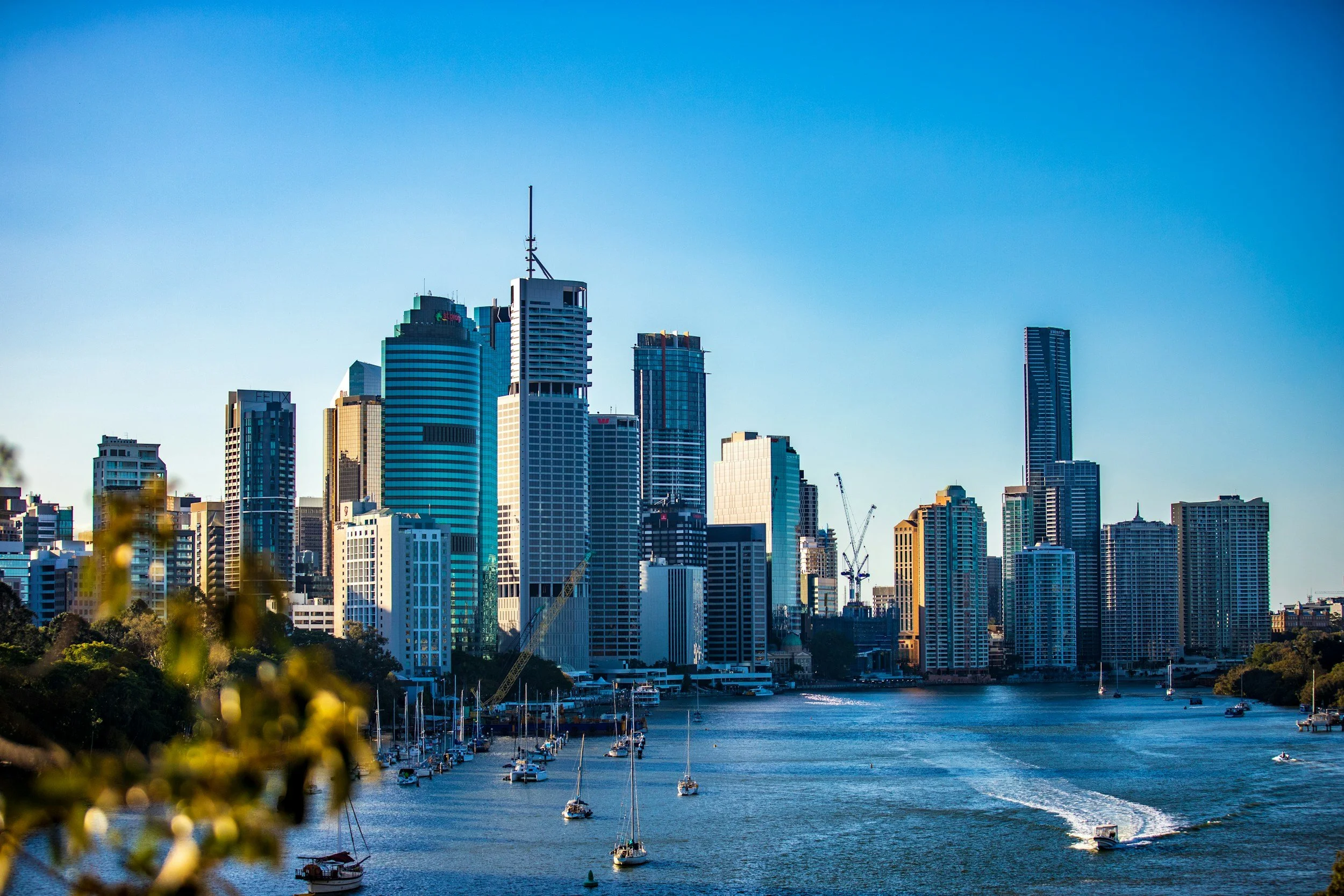
Andrew McKenna is an experienced construction delay expert and leads Accura Consulting’s delay and planning team, working on Queensland construction disputes from Brisbane.
Construction Delay Expert in Brisbane
Andrew spent years as a site engineer, site manager and planning manager before becoming an expert, so his delay analysis starts from how the job was actually built.
Queensland experience
Andrew has been engaged as a delay expert on a renewable energy joint venture dispute in Queensland, and on arbitrations involving renewable energy, solar farm and tunnelling projects. His wider experience covers 17 expert engagements across Australia, New Zealand, Southeast Asia, the Middle East and the UK, with project delivery experience on major rail, road and pipeline works.
Construction Delay in Brisbane
Queensland courts, tribunals and laws
Andrew prepares delay evidence for disputes heard in:
Supreme Court of Queensland, including matters sent to court-appointed referees
QCAT, for building disputes
Adjudication under the Building Industry Fair Payments Act 2017 (Qld), where delay arguments must be made clearly on the papers within days
Arbitration and expert determination under the dispute clauses of energy, resources and infrastructure contracts
Each forum asks for something different, and Andrew shapes the analysis to fit the forum from the start.
What QLD courts have said about delay
Santos v Fluor [2025] QSC 184
Justice Freeburn considered competing delay analyses after court-appointed referees found that contract breaches caused critical delay. The defendant argued a strict “but-for” comparison was required. The court disagreed, accepting that delay can be proved through reasoned analysis backed by contemporaneous project data, and that the SCL Delay and Disruption Protocol is a benchmark, not a rulebook. Andrew's view: courts want a method that suits the records and is explained plainly, not the most theoretical model.
The lesson for Queensland claims
On large, interdependent projects, the strength of a delay case comes from contemporaneous records and a clearly explained method. If the referees or the court can follow the reasoning, it will be hard to overturn.
Frequently Asked Questions
-
Andrew leads the team from Melbourne with frequent visits to Brisbane where a number of Accura constants work from. wAndrew also travels for site visits, expert conferences and hearings.
-
Yes. Andrew has been engaged as a delay expert on renewable energy and solar farm arbitrations and a renewable energy joint venture dispute in Queensland, and has analysed entitlement on an offshore wind farm in Vietnam.
-
It means a strict but-for model is not compulsory. A coherent, evidence-based delay analysis that suits the available records and is clearly explained can prove causation.
Insights
![When Acceleration Costs Can Be Recovered: Motherwell Bridge v Micafil [2002]](https://images.squarespace-cdn.com/content/v1/65af0cb0b236385076bf98f3/1771876953862-SSC6HLN6NBCDIBLFKHIQ/unsplash-image-Wm8opOd-MDE.jpg)